
Geely Galaxy TT: 425kW electric sedan enters China presale, no Australian release date yet
Written by Daniel Romero - Road Trip Reviews for Geely Cranbourne
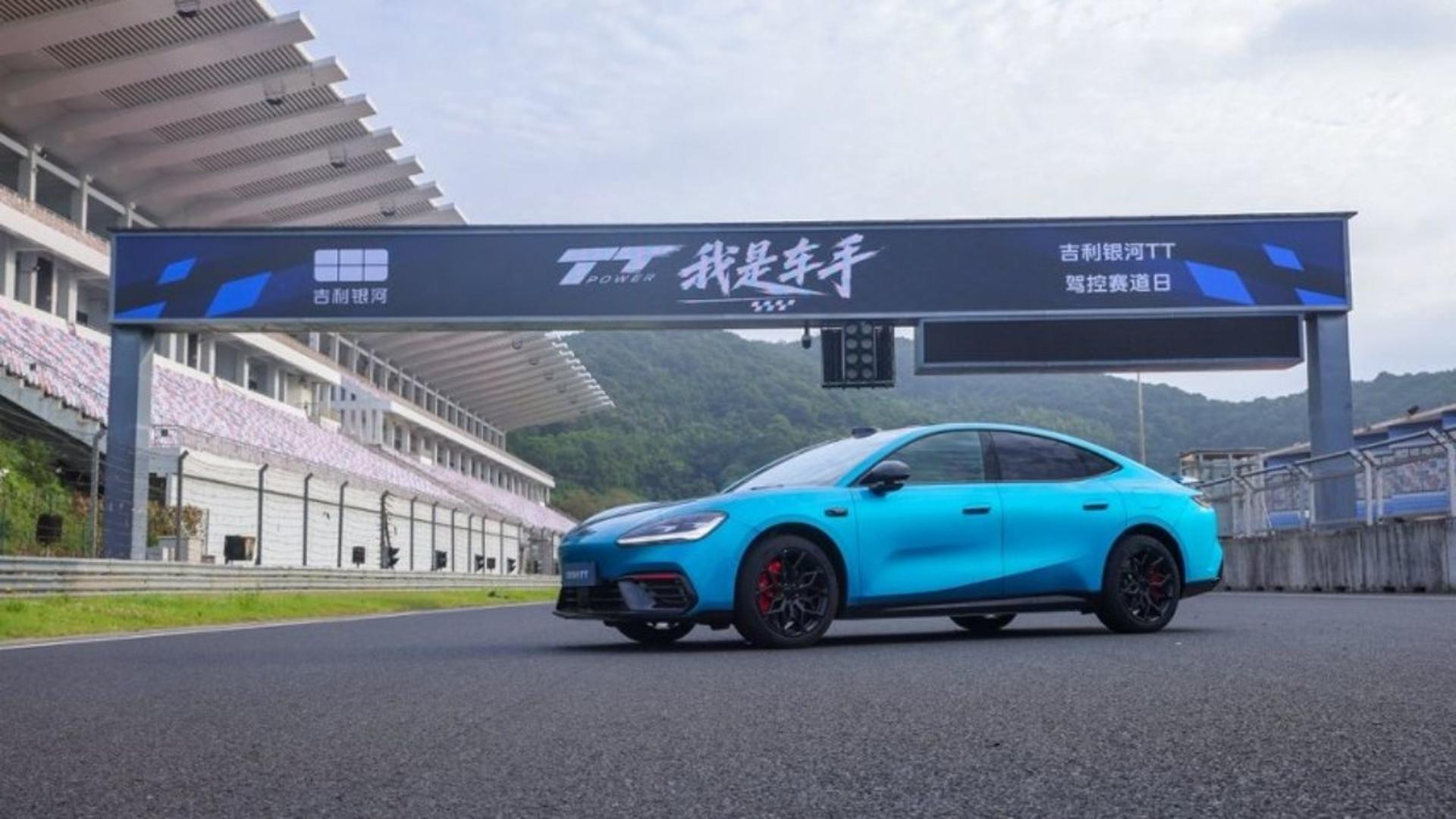
Geely has opened presale in China on the Geely Galaxy TT, a rear wheel drive electric sports sedan the brand pitches as a rival to the Xiaomi SU7, and used a coastal test drive event in Fujian province to show off the car's chassis tune, charging speed and Flyme Auto software.
The event, held in Quanzhou and Ningde in mid-August, was a Chinese-market launch. There is no confirmed Australian release date, pricing or specification for the Galaxy TT at this stage.
A Geely Australia spokesperson has told Road Trip Reviews that there is no news on the Galaxy TT from a local perspective yet, so anything below relating to Australian pricing, timing or availability should be read as speculation rather than confirmed fact.
What is the Geely Galaxy TT?
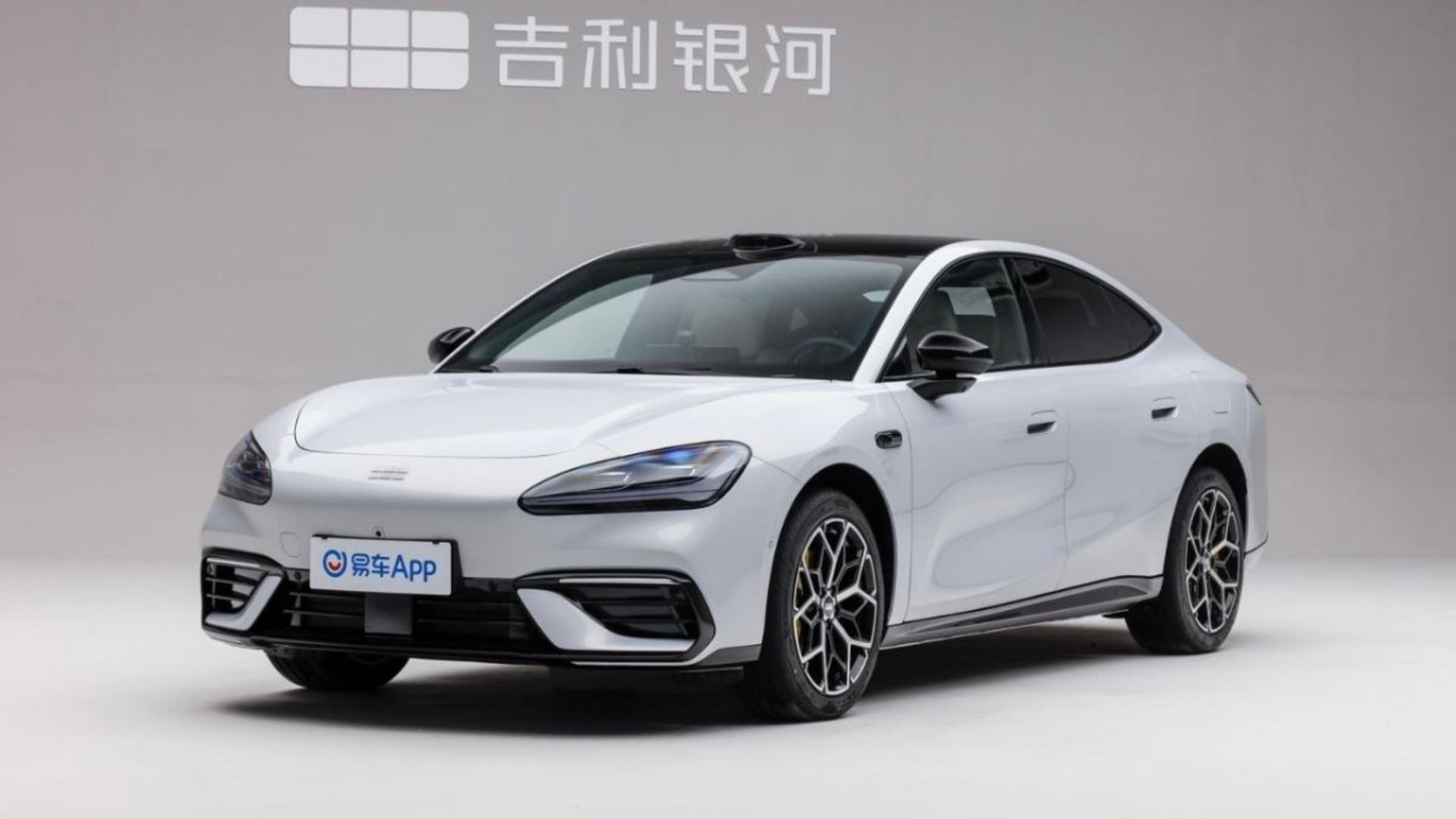
The Galaxy TT is a C-segment electric sports sedan, roughly Camry-sized, sitting under Geely's Galaxy sub-brand alongside the closely related Galaxy E8. It's built on Geely's GEA Evo electric architecture and comes in single motor, rear wheel drive and dual motor, all wheel drive form.
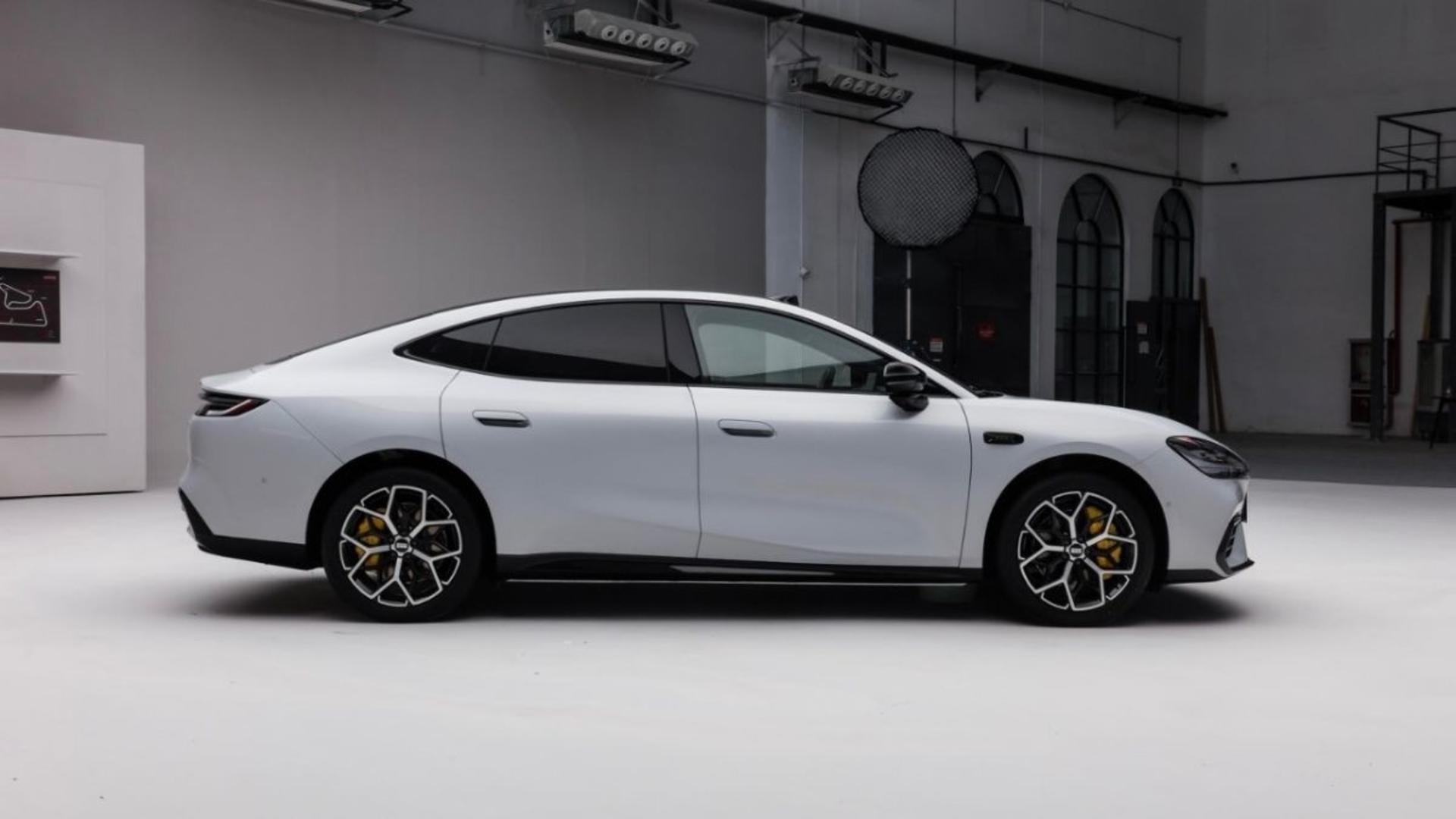
At 4,999mm long, 1,919mm wide, 1,479mm high and riding a 2,920mm wheelbase, the Galaxy TT is longer and lower than a Camry, with proportions aimed squarely at buyers considering the likes of the Xiaomi SU7, Zeekr 7GT and, further up the price ladder, the Porsche Taycan.
How much power does the Geely Galaxy TT have?
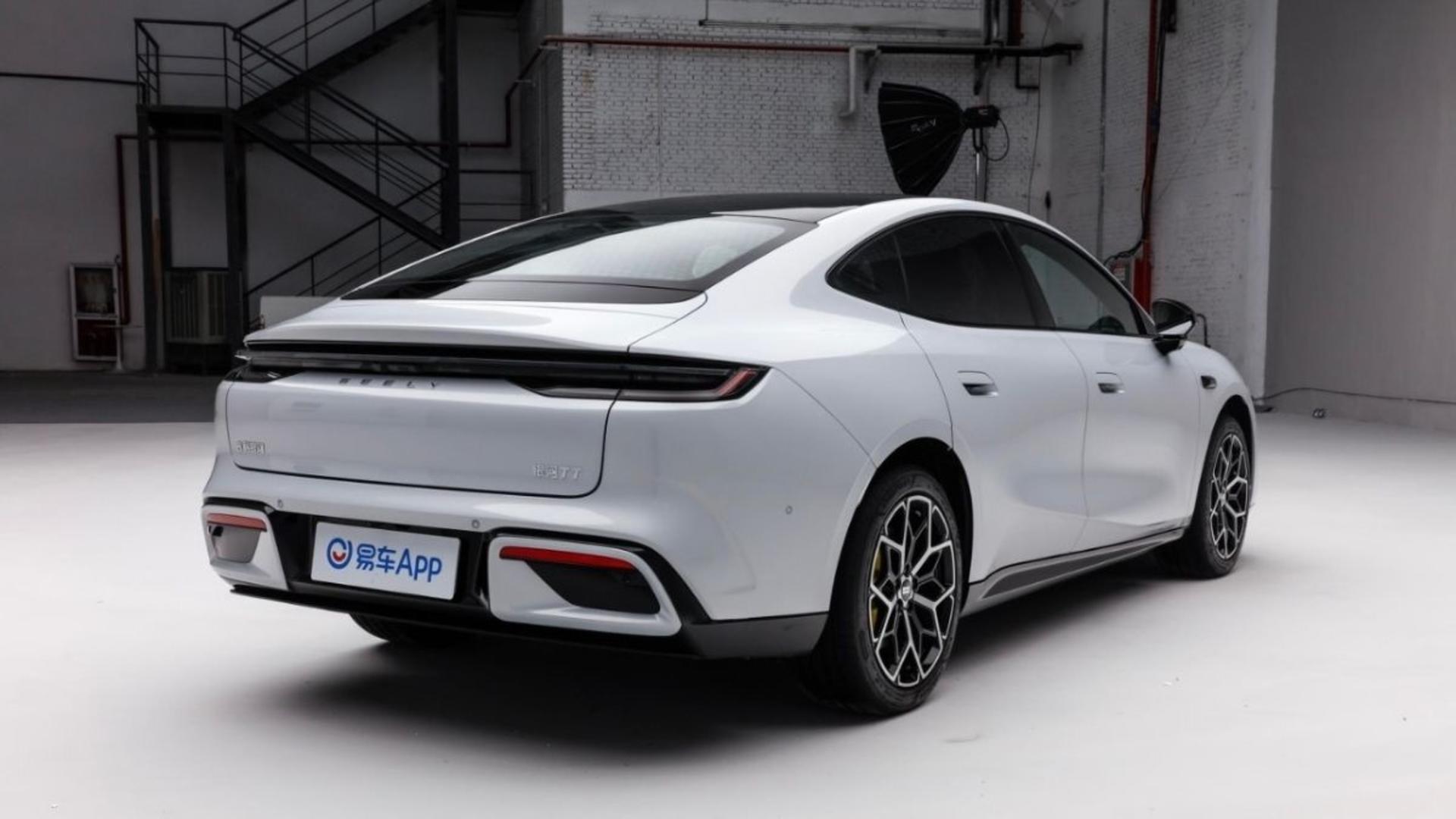
The rear wheel drive Galaxy TT produces up to 245kW and covers 0-100km/h in 6.5 seconds, according to Geely China.
The dual motor, all wheel drive version combines for 425kW and drops that 0-100km/h sprint to 3.8 seconds, with a claimed top speed above 210km/h.
Geely also fits a "Boost" mode that temporarily raises motor output for 20 seconds via a button on the centre display, a feature increasingly common on performance EVs from various brands chasing sub-4-second acceleration claims.
An active rear spoiler adjusts with speed and according to Geely, generates up to 508N of downforce at its maximum 22.5-degree angle.
Geely Galaxy TT range and charging speed
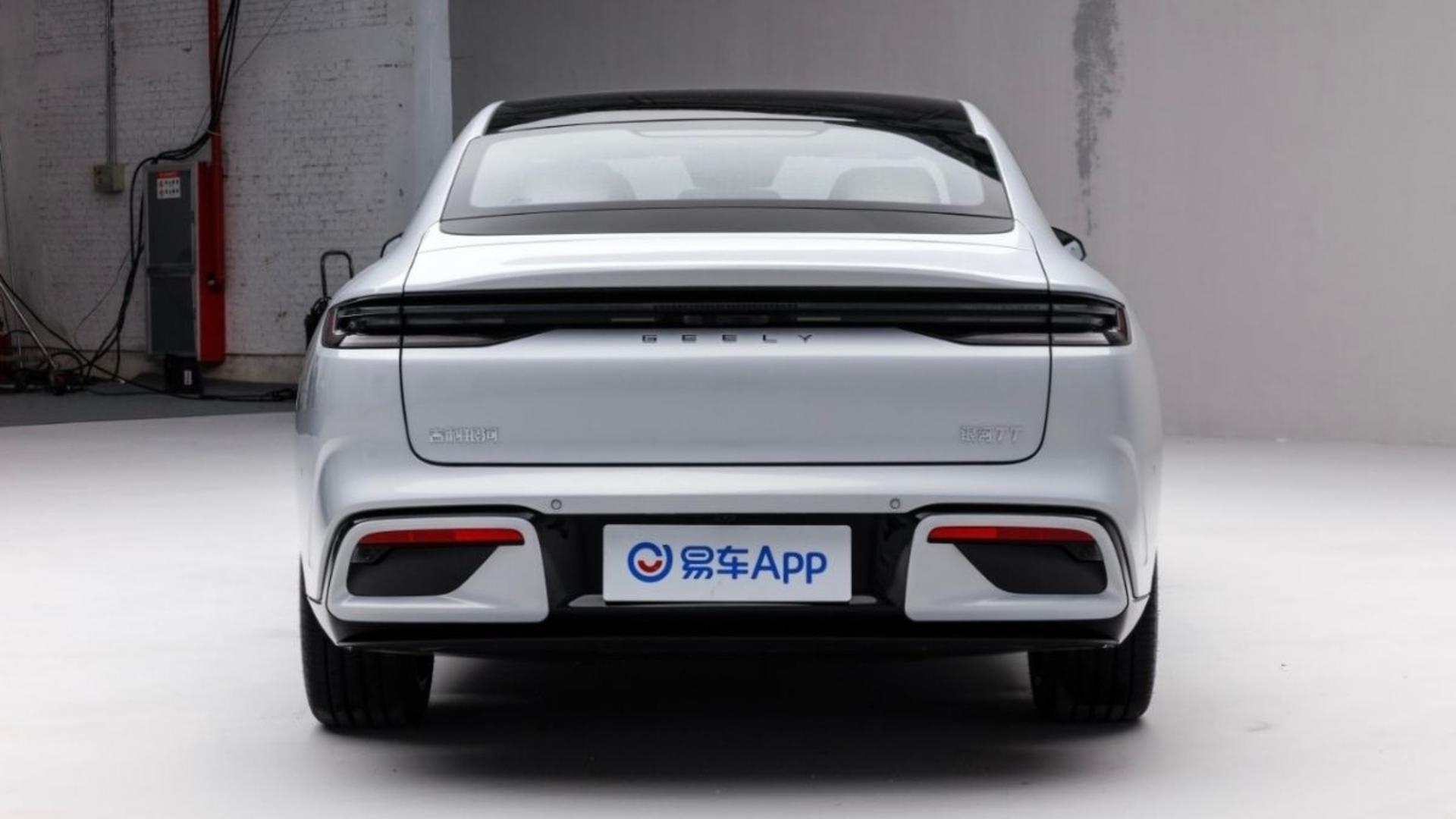
The Galaxy TT uses a battery co-developed with CATL, badged the Shenxing TT, built on an 800-volt architecture with a claimed peak charge rate of 6C.
Geely's charging figures under Chinese test conditions:
- 10-80% state of charge in as little as 11.6 minutes at 25°C
- 30-80% in as little as 9 minutes
- More than 400km of range added in 11 minutes
- Peak charging power of 490kW
There are three battery options for the Galaxy TT range, from 52kWh up to 75kWh, with CLTC-rated range topping out at 725km on the largest pack.
Geely's own materials for this test-drive event don't specify individual variant range figures, and CLTC figures typically run higher than the real-world consumption Australian drivers would see under ADR/WLTP-style testing, so treat 725km as a lab-test ceiling rather than a real-world expectation.
Geely also claims vehicle-side energy consumption below 10kWh/100km, and says the Galaxy TT recorded 8.20kWh/100km on a drive around China's Qinghai Lake, a result the company says set a Guinness World Records title for lowest energy consumption by a production electric sedan on that route.
Geely Galaxy TT chassis and suspension tuning
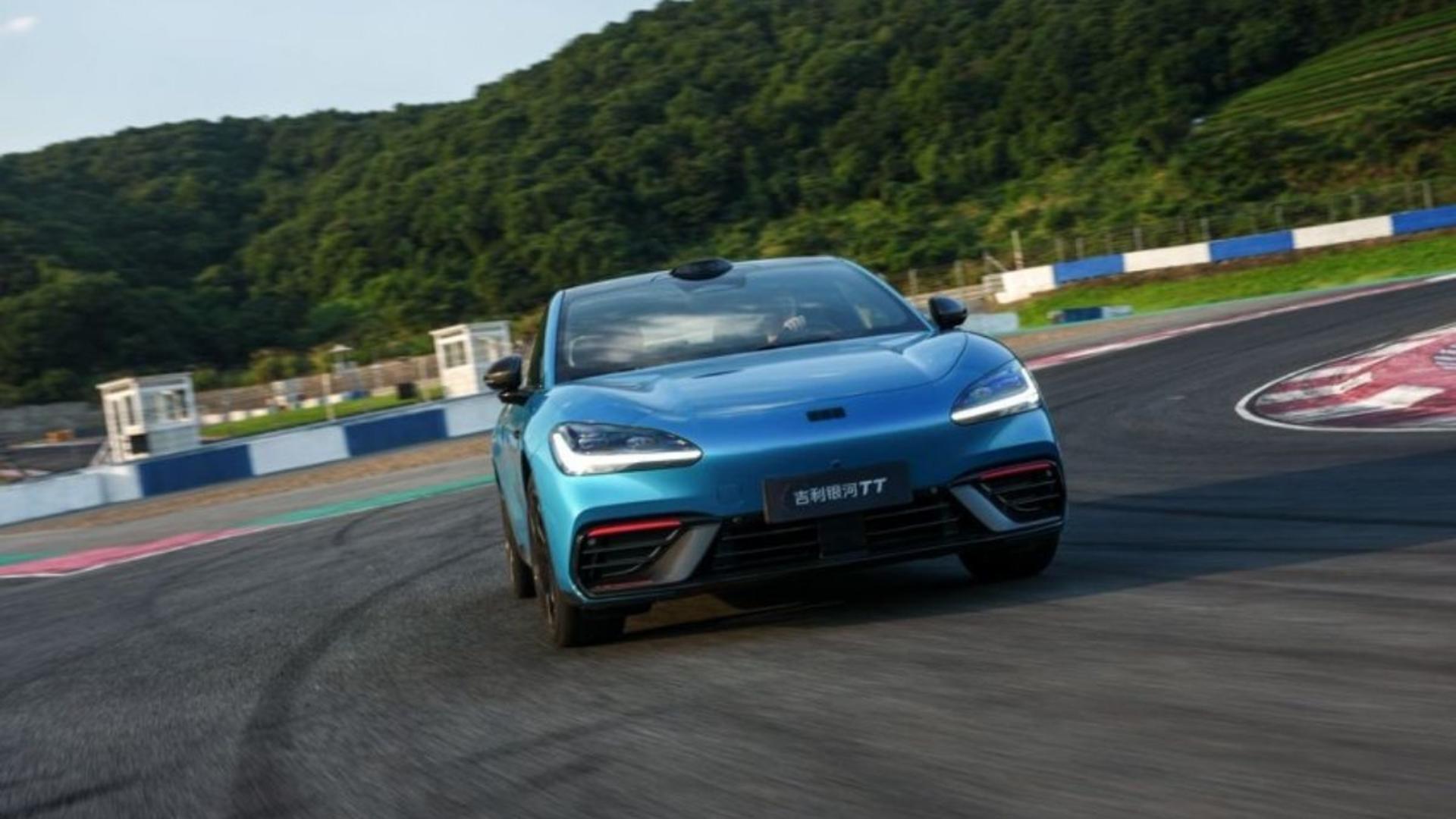
The Galaxy TT runs an all-aluminium front double-wishbone and rear five-link suspension with hydraulic bushings and adaptive damping, plus 50:50 front-rear weight distribution.
Geely says the chassis tune was developed by its European vehicle-dynamics team, drawing on engineering experience from Volvo and Lotus, both part of the wider Geely group, and calibrated separately for Chinese road conditions.
Steering uses a dual-pinion electric power steering setup, with the assist motor mounted away from the cabin to reduce vibration and noise transfer.
For buyers who care about driving enjoyment rather than lap times, it's worth noting the RWD layout and drift-oriented tuning point this car at driving enjoyment rather than outright practicality, in contrast to the AWD-biased approach most rivals in this segment take.
Cabin technology, driver assistance and interior features
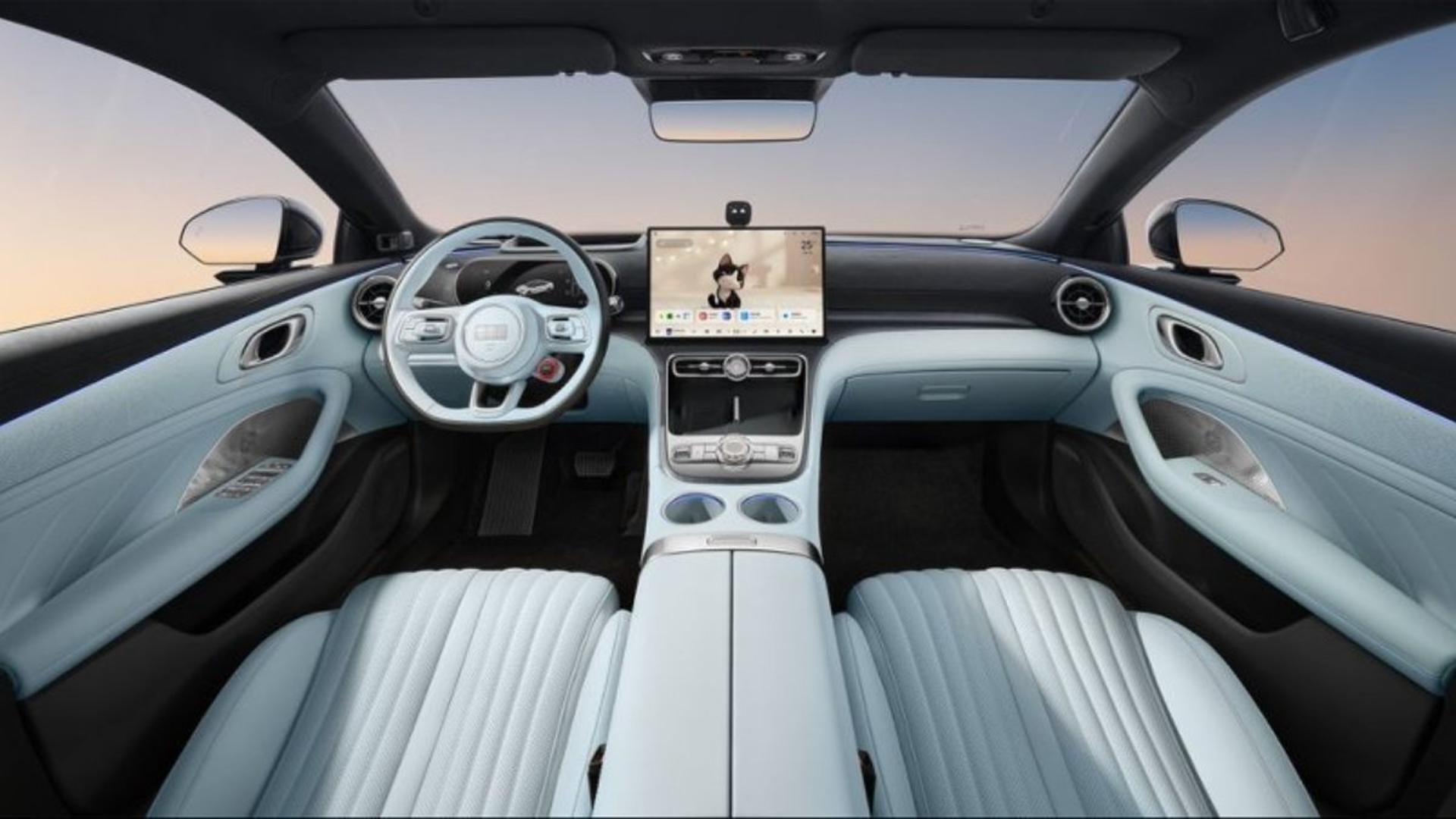
The cabin runs Geely's Flyme Auto 2 software on a Longying 6P chip built on a 4-nanometre process, paired with an AI assistant Geely calls Super Eva, which handles voice interaction, route planning and, according to Geely, visual recognition of objects and scenery outside the car.
Driver assistance comes in two hardware tiers. The base H5 setup uses a Horizon Robotics J6M chip, three radars and a single lidar unit. The flagship H7 steps up to an Nvidia Thor-U chip, adds a second lidar sensor and unlocks extra functions including automated emergency steering.
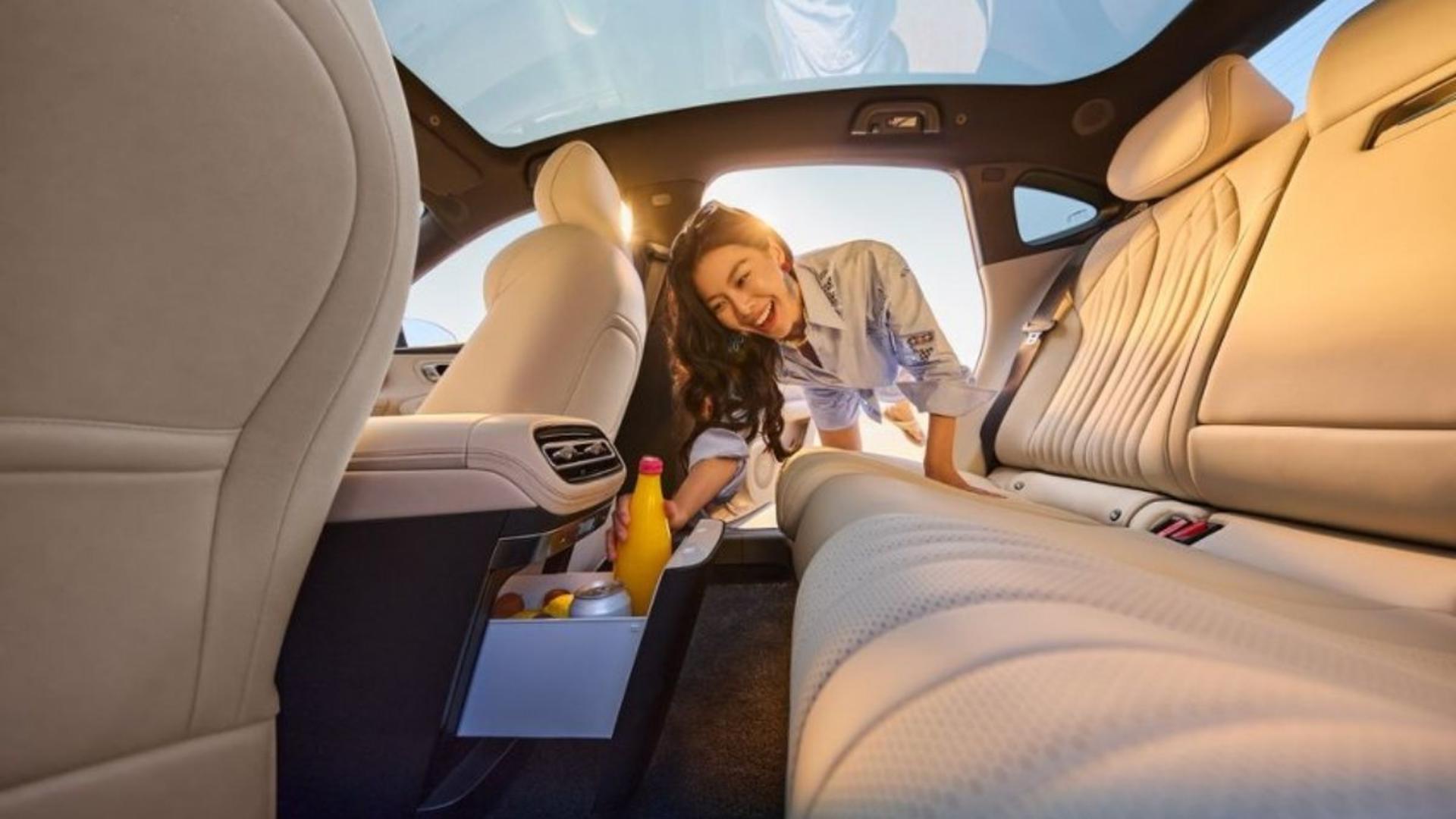
Cabin features include 14-point massage front seats, a 23-speaker sound system, a 110-litre powered front boot with drainage for wet gear, and 37 separate storage locations throughout the cabin, including a lockable drawer under the rear seat.
Geely Galaxy TT safety features
Geely lists up to seven airbags, including a far-side airbag between the front occupants, along with a body structure it says uses roughly 80% high-strength steel and aluminium.
The battery pack carries steel underbody protection and what Geely calls NP3.0 smoke-control technology, designed to prevent a single cell failure from spreading through the pack.
None of these safety claims have been independently verified through an ANCAP or Euro NCAP crash test program at this stage, and no Australian-spec safety rating exists for the Galaxy TT.
Is the Geely Galaxy TT coming to Australia?
Not confirmed. Geely Australia has said there's no local timeline for the Galaxy TT. Geely's first sedan for Australia is the Emgrand plug-in hybrid, due in 2027, with a fully electric version to follow. Whether the Galaxy TT joins that plan, sits alongside it, or stays a China-only model hasn't been decided publicly.
How much would the Geely Galaxy TT cost in Australia?
On pricing, the Galaxy TT starts from around 200,000 yuan in China, roughly $42,000 Australian dollars at current exchange rates.
Geely has steadily grown its Australian lineup over the past two years, including the EX5 electric SUV, the EX2 electric hatch, Starray EM-i plug-in hybrid SUV, while delivering exceptional value and pricing for consumers, so if it does make it to Australian shores, big things are to be expected!
The bottom line for Australian buyers
The Galaxy TT offers insight into where Chinese electric sedans are heading: rear wheel drive dynamics, 800-volt charging as standard rather than a flagship extra, and chassis tuning outsourced to European engineering talent rather than left as an afterthought.
None of that helps a Melbourne buyer shopping right now, since there's no local price, no confirmed spec and no arrival date. Worth watching if you're potentially adding an EV sedan to your household in the next two to three years, not worth waiting on if you need a car this year.
Geely's Australian electric and plug-in hybrid range continues to expand, with the EX5 and EX2 currently on sale locally. Geely Cranbourne can arrange a test drive of Geely's current lineup and will have the latest information as Geely confirms its future model plans for Australia.